
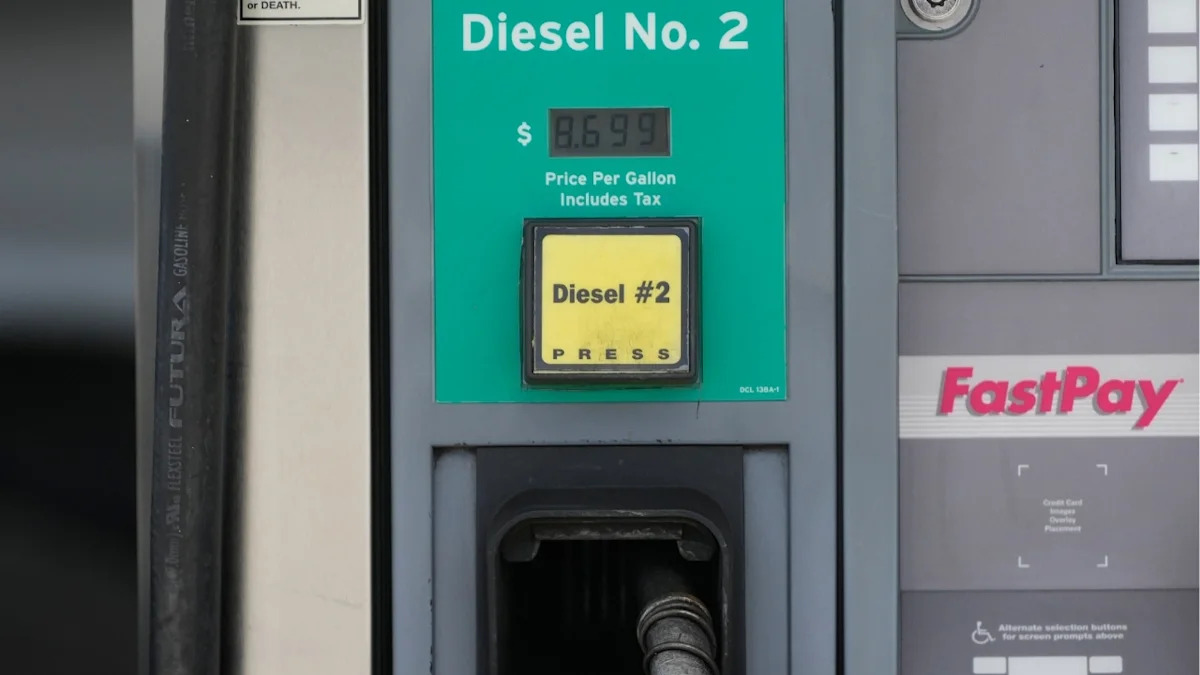
Diesel prices across California have surged to unprecedented record levels, placing immense financial strain on commercial transport operators and motorists as retail fuel stations in the San Francisco Bay Area push pump prices toward a staggering nine dollars per gallon. The dramatic escalation marks one of the most severe fuel price spikes in state history, highlighting persistent volatility across regional and global energy markets.
The rapid run-up in diesel costs has widened the pricing disparity between California and the rest of the United States. While fuel costs have experienced upward momentum nationwide, California drivers are confronting distinctively elevated prices at the pump, driven by a combination of tight distillate fuel inventories, stringent regional environmental specifications, and heavy state tax burdens.
The most extreme figures have surfaced across the greater San Francisco Bay Area, where several individual service stations have listed commercial and retail diesel at figures rapidly approaching nine dollars per gallon. These elevated postings reflect localized supply constraints and the high operating overhead of metropolitan service stations, creating acute challenges for fleet operators navigating urban delivery corridors.
Diesel serves as the indispensable lifeblood of the modern industrial economy, powering the heavy-duty trucks, delivery vans, freight trains, maritime vessels, and agricultural machinery that move goods throughout the state. Because diesel is the primary fuel powering commercial transport, any substantial price surge immediately reverberates far beyond filling station forecourts.
Energy market analysts point to a confluence of structural factors behind the historic price escalation. On the global stage, crude oil volatility and constrained refinery capacity for middle distillates—the category of refined petroleum that includes diesel and jet fuel—have severely limited supply buffers, leaving markets vulnerable to sudden price spikes.
In California, these global pressures are magnified by state-specific conditions. The state operates as a virtual fuel island due to limited pipeline connectivity with other domestic refining hubs east of the Rocky Mountains. Consequently, any unexpected maintenance downtime or operational disruptions at regional petroleum refineries immediately restrict local fuel output, leaving distributors reliant on expensive marine imports.
Furthermore, California mandates specialized, cleaner-burning fuel formulations designed to curb harmful emissions and meet ambitious environmental air quality standards. While these regulations significantly improve regional air quality, the unique refining requirements limit the pool of out-of-state facilities capable of providing replacement supply during localized deficits.
State and local taxation also contributes heavily to the total cost observed at the pump. California levies some of the highest state fuel excise taxes in the nation, alongside specialized climate programs such as the Low Carbon Fuel Standard and cap-and-trade compliance costs, which collectively add a sizable fixed expense to every gallon sold.
The burden of near-nine-dollar diesel falls acutely upon independent owner-operator truck drivers and small logistics firms. Operating on razor-thin profit margins, many independent drivers face soaring overhead expenses that threaten the viability of their businesses, as fuel costs often constitute their single largest ongoing operational expenditure.
Although larger freight carriers frequently utilize contractual fuel surcharges to mitigate the impact of sudden price swings, these additional expenses are inevitably transferred downstream to shippers, wholesalers, and retail businesses. This dynamic contributes to broader economic inflationary pressure across an extensive array of everyday consumer products.
Agricultural producers and food distributors are particularly vulnerable to elevated diesel costs. From farm tractors harvesting seasonal produce in the Central Valley to refrigerated trucks delivering perishable items to Bay Area grocery stores, higher transportation outlays compound existing supply chain expenses, ultimately driving up retail food prices for consumers.
The surge in diesel pricing has reignited vigorous political debate across California regarding energy policy, infrastructure investment, and consumer cost relief. Industry trade associations have urged regulatory bodies to explore temporary relief measures, while consumer advocacy groups have called for enhanced transparency in wholesale fuel pricing mechanisms.
Concurrently, sustained price spikes are accelerating broader discussions surrounding commercial vehicle decarbonization. High fossil fuel costs strengthen the long-term economic rationale for fleet transitions toward zero-emission alternatives, including battery-electric commercial vans and emerging hydrogen fuel cell freight vehicles, though widespread adoption remains constrained by charging infrastructure limitations.
Looking forward, energy market experts anticipate that diesel prices throughout California will remain volatile in the near term until regional refining output stabilizes and global distillate inventories recover. In the interim, commercial operators, agricultural enterprises, and consumers across the state must navigate the economic ramifications of historic fuel expenses.


(0)