
Caring for domestic pets and coexisting with neighborhood wildlife often presents unique challenges for animal lovers. To address these common everyday concerns, Jennifer Vanderau, the public relations coordinator for the Cumberland Valley Animal Shelter, regularly provides practical advice through the organization's educational series, offering clear answers to pet owners seeking safe and effective care techniques.
One of the most frequent difficulties pet owners face is the struggle of administering prescribed oral medication, such as antibiotics, to an uncooperative feline. When a cat develops an infection requiring prescription pills, the process of ensuring every dose is ingested can quickly become an exhausting battle for both the caregiver and the animal.
For many households, the most straightforward approach involves concealing the medication inside something appetizing. Owners can attempt to roll the pill inside a small portion of wet canned food or use commercially manufactured pill-hiding treats, commonly known as pill pockets, which are widely sold at local pet supply retailers.
While wrapping medication in a tasty treat can be successful for some pets, it does not work for every feline. Cats possess keen instincts and sharp senses, frequently detecting the foreign object within their food and eating around the treat while spitting the tablet back out.
Attempting to crush or cut the medication into tiny fragments is strongly discouraged by animal welfare specialists. Slicing up pills exposes their bitter, unpalatable interior, and a cat will reliably refuse to consume contaminated food once a foul taste is detected. Furthermore, scattering crushed medication makes it almost impossible for an owner to determine whether the animal received the entire prescribed dose.
When deceptive feeding strategies fail, direct administration through gentle physical restraint becomes necessary. The shelter recommends a technique known as scruffing, which involves firmly grasping the loose skin at the nape of the cat’s neck. Drawing the head upward and back naturally encourages the jaw to part, allowing the caregiver to place the pill directly into the mouth.
To make direct administration safer and more reliable, pet owners can utilize a specialized feeding device known as a pill popper. This tool allows the handler to deposit the capsule directly into the back of the cat's throat while keeping fingers safely away from sharp feline teeth.
Once the pill is deposited far back on the tongue, the owner should close the cat's mouth and gently rub the throat to encourage the natural swallowing motion. Another effective technique to instinctively trigger swallowing is to deliver a soft, gentle puff of air directly toward the animal's nose.
After the medication has been swallowed, caregivers should promptly administer a small amount of fresh water using a clean syringe or eye dropper. Washing the pill down ensures it safely travels completely into the stomach, preventing it from lodging in the esophagus where certain medications can cause irritation or tissue damage.
If an owner exhausts these methods without success, consulting a veterinarian is the recommended next step. Veterinary clinics can evaluate the situation and often provide alternative treatment options, including converting the antibiotic prescription into an easier-to-manage liquid formulation.
Beyond companion pet health, seasonal yard activities frequently lead to encounters with wild creatures, such as discovering a concealed nest of newborn rabbits while mowing the lawn. In these situations, animal welfare experts advise that the best course of action is to leave the nest undisturbed and avoid touching the young animals.
Mother rabbits naturally leave their offspring hidden for extended periods during the day to avoid attracting predators, but they instinctively remember the precise location of their nest and will return to nurse. Minimizing human interaction gives the litter the best possible chance of surviving safely in their natural habitat.
Homeowners should quietly monitor the site from a distance over the course of one to two days to verify whether the mother is returning. If it becomes certain that the mother has abandoned the nest or failed to return, individuals should contact a licensed professional via resources such as the Pennsylvania Association of Wildlife Rehabilitators for proper guidance.
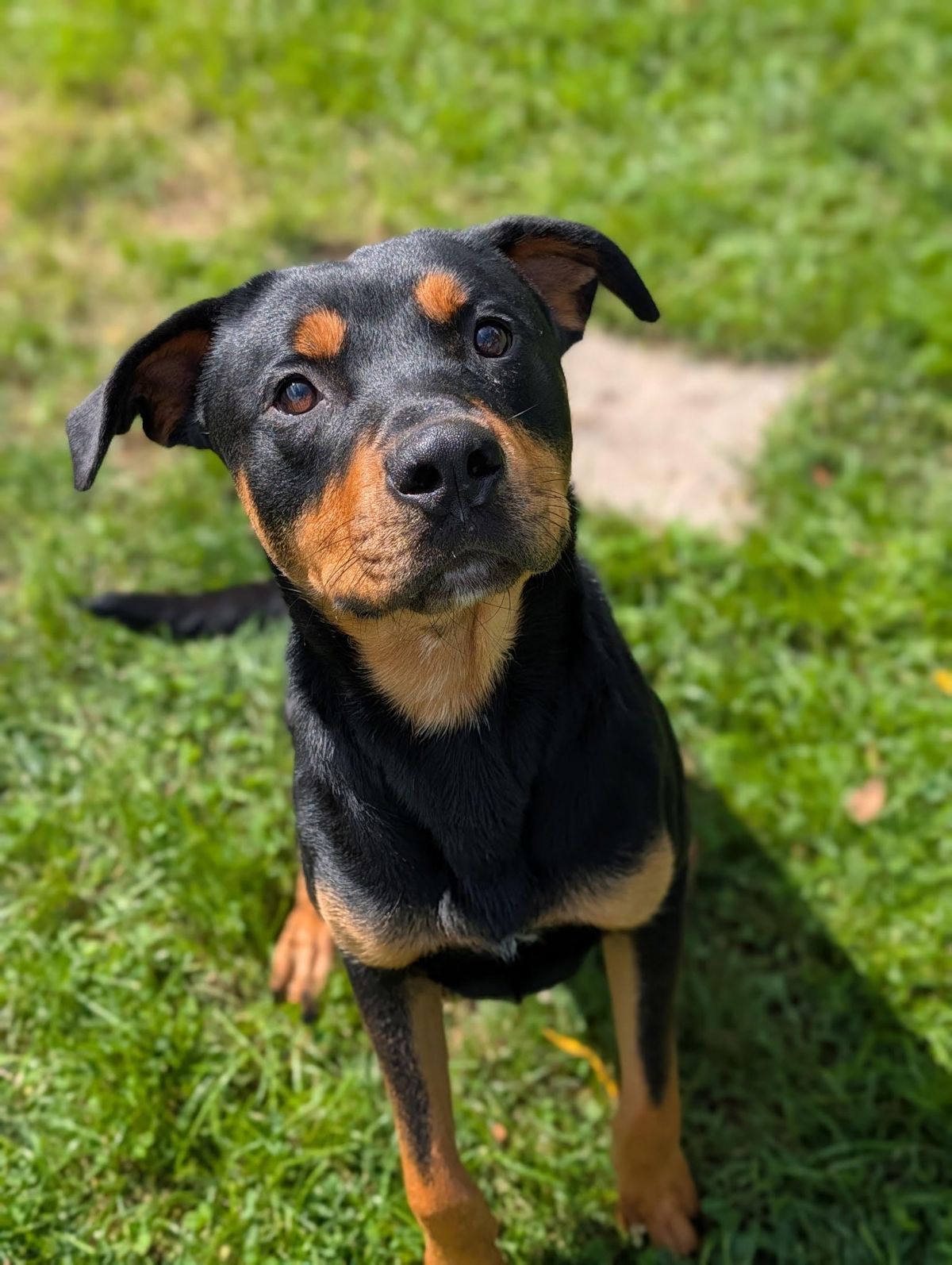
Alongside educational outreach, the Cumberland Valley Animal Shelter continues to highlight animals currently seeking permanent adoptive homes. Among them is Logan, a one-year-old stray Rottweiler mix who possesses a gentle, sweet temperament. Though slightly timid in unfamiliar environments, Logan reveals a playful nature once comfortable, knows the "sit" command, and requires supervised introductions to any prospective feline housemates and family members.
Feline adopters can also meet Mordecai, an energetic four-month-old buff and orange male kitten who arrived at the shelter with his littermates, Princess Donut, Carl, and Zev. Known for his affectionate personality and loud purr, Mordecai loves human companionship and is eager to join a loving household.
Through regular educational resources and adoption initiatives, the Cumberland Valley Animal Shelter remains dedicated to supporting pet owners, protecting vulnerable wildlife, and securing forever homes for rescue animals across the community.


(0)