
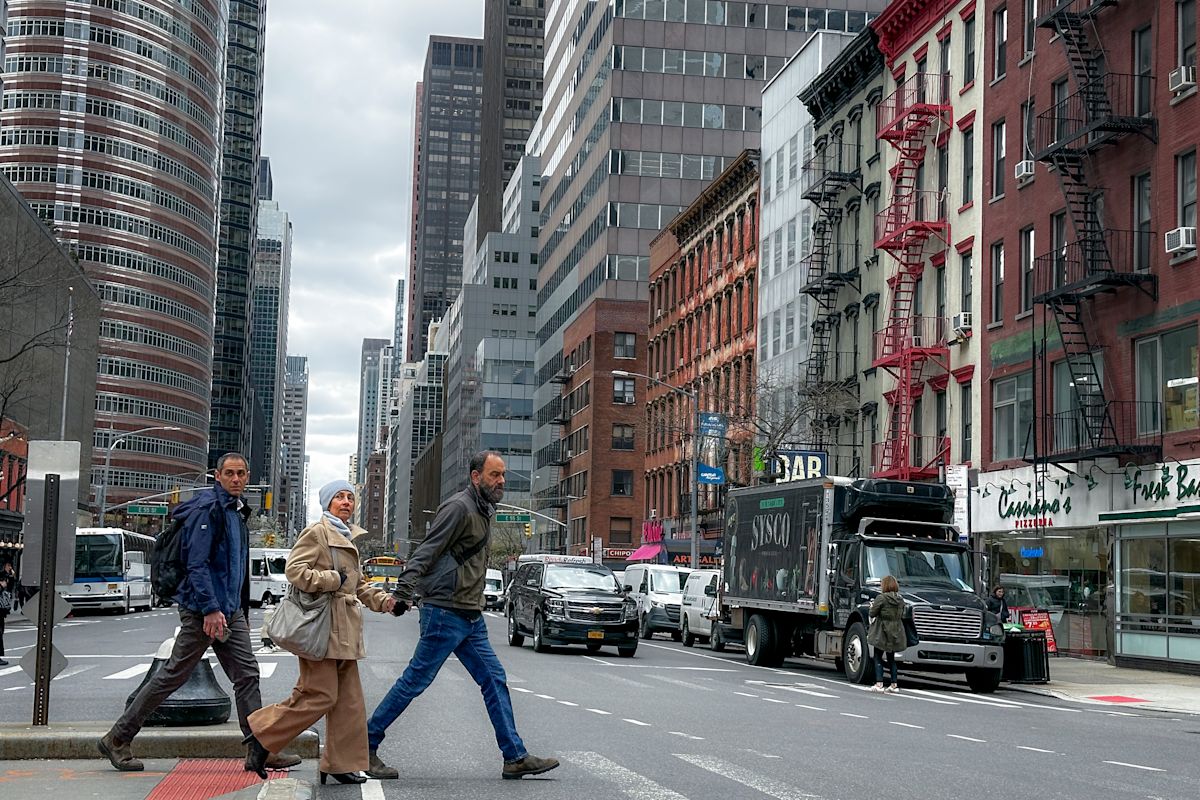
New York City Mayor Zohran Mamdani is preparing to introduce a comprehensive, decade-long overhaul of the municipal government’s signature traffic safety framework. Designated as "Vision Zero Reimagined," the far-reaching initiative encompasses 100 specific policy objectives scheduled for execution over the next ten years. The primary focus of the updated strategy is to dramatically curb roadway deaths and construct a more protective transit network for pedestrians, cyclists, and motorists alike.
The broad restructuring comes as municipal officials confront a rapidly changing street landscape characterized by dense congestion and an increasingly complex variety of road users. Over recent years, traditional motor vehicles have had to share tight urban corridors with an expanding population of standard bicycles, electric bicycles, and various other emerging personal mobility devices.
To address these evolving transit dynamics, the administration has placed vehicle speed reduction at the forefront of its pedestrian safety priorities. A marquee proposal within the plan calls for establishing reduced 15 mph speed limits adjacent to hundreds of additional school campuses across the city, giving young students and families greater protection in sensitive neighborhood zones during peak morning and afternoon hours.
Alongside speed moderation, the blueprint outlines an aggressive capital program to upgrade local street infrastructure. Under the new target, the city intends to introduce physical barriers and modernized safety improvements to 1,000 intersections every year, mitigating conflict points where turning vehicles pose the most severe threats to crossing pedestrians and cyclists.
The plan also directs significant attention toward the municipal government's own transportation footprint. Thousands of city-owned vehicles across various agency fleets are slated to receive mandatory safety technology installations. Among these planned upgrades are enhanced automatic braking systems and specialized audible alert mechanisms fitted to heavy municipal trucks to warn nearby pedestrians and cyclists of vehicle movement.
In an effort to deter high-risk driving behaviors, the administration is pursuing novel accountability measures for habitual offenders. Drivers who are repeatedly detected speeding inside designated school zones could be subjected to the mandatory installation of speed-capping devices, a technical intervention engineered to physically prevent vehicles from exceeding legal speed limits.
The city is simultaneously planning to step up its operational crackdowns on illegal and untraceable motor vehicles. The blueprint highlights expanded efforts to locate and remove vehicles displaying obscured or fraudulent "ghost plates," which allow reckless drivers to evade automated camera enforcement, toll gantries, and standard police tracking after committing roadway infractions.
To counter the growing proliferation of large sport utility vehicles and heavy trucks in neighborhood settings, the city is exploring tailored economic disincentives. The proposal seeks the establishment of increased toll rates targeted specifically at oversized passenger vehicles, reflecting the disproportionate safety risks and physical wear these heavier models impose on crowded municipal thoroughfares.
In tandem with efforts to curtail vehicular hazards, the administration is advocating for a broader transformation of the city's shared public spaces. The "Vision Zero Reimagined" strategy calls for creating additional pedestrian-only plazas and car-free corridors, offering residents and visitors dedicated spaces reserved entirely for foot traffic, commerce, and community recreation.
Recognizing that transportation safety is closely linked to economic access, the blueprint incorporates distinct transit equity components. Under the plan, dedicated funding will be established to help low-income New Yorkers offset the expenses of daily public transit fares as well as membership costs for the citywide Citi Bike network, broadening access to safe and sustainable travel alternatives.
The rollout of the 100 distinct policy goals will follow two separate operational pathways. While a broad subset of the initiatives can be authorized and enacted directly through administrative city agencies, several major proposals—including specific toll adjustments, technological penalties, and statutory regulatory shifts—will require formal debate and legislative approval from state lawmakers in Albany.
The newly proposed blueprint represents the next evolutionary phase of New York City's foundational Vision Zero initiative, which was first enacted in 2014. According to municipal officials, that initial effort was instrumental in driving roadway fatalities down to historic lows through an integrated strategy combining physical street redesigns, targeted public awareness campaigns, and coordinated enforcement measures.
By retooling that core philosophy to meet modern multi-modal realities, the city aims to lay down an enduring foundation for urban safety over the coming decade. Officials view the new blueprint as a vital bridge between past safety achievements and future infrastructure demands, seeking to eliminate preventable roadway tragedies across every neighborhood.


(0)