
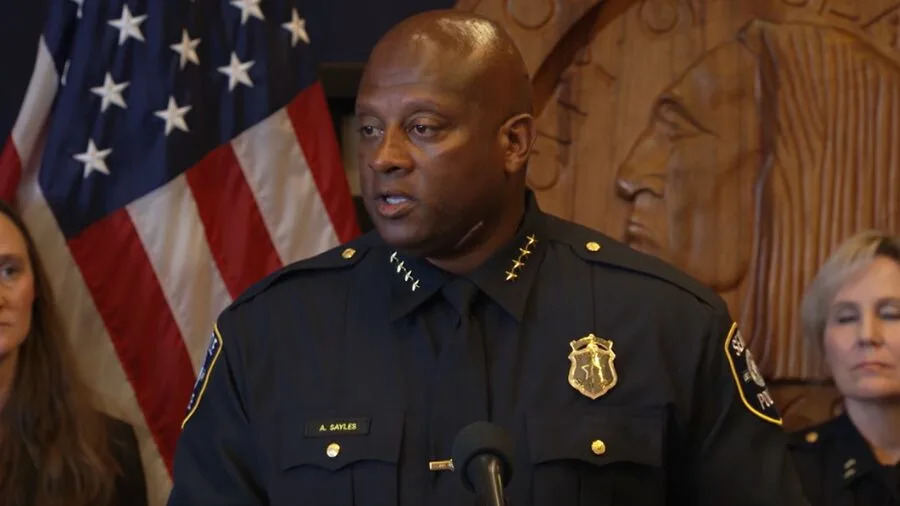
The interim head of the Seattle Police Department has declared a postponement in the anticipated public disclosure of internal department communications surrounding the fatal shootings that occurred during the Bite of Seattle festival. The decision effectively pauses the release of digital records that community members, local lawmakers, and administrative oversight officials have been waiting to review following the summertime tragedy.
Interim Seattle Police Chief Andre Sayles had previously committed at the beginning of last week to make public the text messages and Microsoft Teams exchanges sent between department officers on the night of the incident. That pledge had raised expectations for immediate transparency regarding how law enforcement personnel communicated with one another during the critical early hours of the emergency response.
By Friday, however, the police department shifted course, with Chief Sayles announcing that the scheduled release would face a delay. Department leadership explained that additional time is required to conduct a thorough examination of the records to guarantee factual accuracy and safeguard sensitive information related to the active investigation.
Chief Sayles stated that preventing the premature exposure of active investigative leads is a primary reason for holding back the documents. In an official communication detailing the rationale behind the delay, the interim chief emphasized the need to balance delivering transparency to the community with preserving the integrity of the active criminal inquiry.
The interim chief directly addressed his previous commitments in the public announcement, recalling his earlier statements made before reporters. "During a news conference on Monday, I told journalists I would be releasing text messages and Microsoft Teams messages regarding the tragic violence at the Bite of Seattle event on July 26," Sayles said in the written release.
Sayles elaborated on the operational necessity of the hold, stating that the public interest is best served when materials are completely reviewed prior to distribution. "I need to delay the release of any records," Sayles noted. "We must ensure accuracy and ensure investigative leads are not disclosed. The public is owed accuracy and transparency, and we must release the full scope of communications that night."
Concurring that community members are seeking clarity, the interim chief concluded his message by appealing to the public for continued understanding while the department completes its review process. "We appreciate your patience as we work to get this right," Sayles stated as department officials continue processing the extensive digital records.
The decision by the police department to hold back its internal correspondence follows closely behind a separate batch of records that was recently made public by the office of Mayor Katie Wilson. That municipal disclosure has generated heightened focus on how the broader city administration handled information flow during and immediately following the deadly event.
The broader circumstances surrounding the handling of information on July 26 have drawn scrutiny from both Seattle City Council members and the Office of the Inspector General. Both oversight entities are conducting inquiries to understand why crucial public safety updates were withheld from the public for approximately five hours after the shooting occurred.
City leaders and watchdogs are actively seeking comprehensive answers regarding the sequence of decisions that took place throughout the day of the violence. The scrutiny over the delayed public notifications forms a major focus of an ongoing formal review into the administrative and law enforcement handling of the incident.
The controversy over communication protocols was a central topic at a Seattle City Council Public Safety Committee meeting held last month. During that session, councilmembers directed questions toward Alison Holcomb, the public safety director for Mayor Wilson’s administration, regarding the timeline of official communications and the lack of communication during the initial hours of the event.
The public release of mayoral communications last week provided further context regarding internal deliberations during that five-hour period. Among the disclosed documents was an internal text message authored by Holcomb at 7:46 p.m. on the evening of the shooting, in which she offered an early assessment of the crisis unfolding at the festival grounds.
In her 7:46 p.m. text, Holcomb specifically observed, "This looks like a group violence incident between people who knew each other." This real-time observation indicated that city leadership had received early indications that the shooting was an altercation involving individuals with existing relationships rather than an indiscriminate attack.
Despite that internal assessment, the mayor’s office issued an official statement to the public less than an hour later that completely omitted Holcomb’s characterization of the event as group violence. The omission of those details from the public release has fueled ongoing inquiries by councilmembers into how and why certain information was excluded from official announcements.
As the Office of the Inspector General and City Council continue their review of the incident, attention remains fixed on the police department's pending communications. Observers and city officials anticipate that the eventual release of the officer texts and Microsoft Teams messages will shed critical light on the operational decisions that shaped the response on July 26.





(0)