
During the early 1960s, American entertaining experienced a dramatic transformation as domestic kitchens embraced the promise of modern convenience and theatrical presentation. The prevailing cultural ethos held that modern innovation had officially arrived in the home, placing pressure on suburban hostesses to showcase tangible evidence of this new era. Rather than spending entire evenings tucked away preparing formal sit-down courses, home cooks curated social gatherings centered around dramatic, portable hors d'oeuvres designed to capture the imagination of their guests.
This shift in hospitality was heavily mirrored by the novel kitchen gadgets and processed pantry staples gaining prominence at the time. Entertaining setups regularly featured chafing dishes kept warm over open flames on dining sideboards, wire baskets filled with frozen puff pastry shells retrieved from commercial freezers, and recipe instructions prominently displayed on the side panels of breakfast cereal packaging. Additionally, canned seafood items such as crab and clams allowed inland households to prepare ocean-inspired platters regardless of their geographic proximity to a coast.
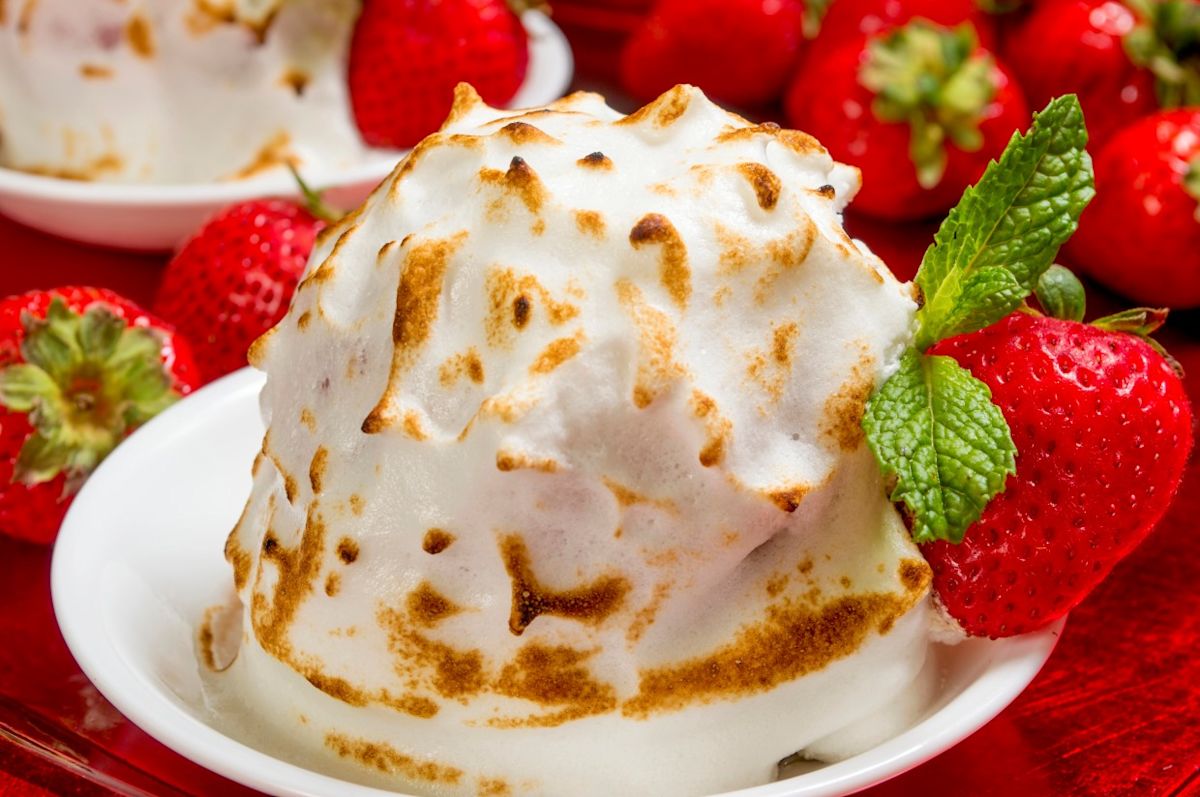
The resulting cocktail menu prioritized compact, skewered, and visually captivating creations. Because modern gatherings encouraged mingling, recipes were deliberately structured so guests could easily balance a bite-sized appetizer in one hand while holding a cocktail in the other. When dishes were not engineered to be served on wooden picks, they compensated with high visual drama, often being presented directly to the table enveloped in fire or concealed beneath sculpted, browned domes of meringue such as Baked Alaska.
A defining force behind this entertaining era was the rapid expansion of Polynesian-themed dining across the United States. While these restaurant establishments marketed an exotic, far-flung aesthetic, the foods they popularized were largely invented within domestic commercial kitchens. Items adorned with tropical and international titles routinely utilized conventional domestic ingredients, creating an approachable illusion of global travel for suburban dinner parties.
Among the standout skewered offerings of the period was rumaki, a bite-sized appetizer composed of chicken liver and crisp water chestnut wrapped securely in a strip of bacon before being broiled. Despite its Pacific-sounding name, the dish was an entirely American culinary creation designed to sound worldly. Its success relied on a balanced marinade of soy sauce, light brown sugar, dry sherry, minced garlic, and freshly grated ginger, which worked together to mellow the sharp, iron-rich profile of the liver while balancing the rendered saltiness of the bacon.
Culinary precision regarding marination timing remains the deciding factor between a successful batch of rumaki and an unpalatable one. Soaking the chicken livers for merely half an hour leaves the center of the meat completely unseasoned, while extending the marinating process overnight chemically alters the protein, resulting in a chalky, unpleasant texture. Food preparation guidelines established that a two-hour soaking period allows the sweet and savory flavors to penetrate fully while preserving the liver’s clean slicing consistency.
The mechanical execution of cooking rumaki also required careful thermal management. Home cooks assembled the dish by skewering the bacon-wrapped liver and water chestnut with water-soaked toothpicks to prevent scorching under intense direct heat. Placing the arranged appetizers onto an elevated wire rack nested inside a rimmed baking sheet allowed liquefied bacon fat to drip freely away from the meat instead of pooling, while a mid-point turn under the broiler ensured the exterior bacon crisped evenly and the liver reached an internal temperature of 165 degrees Fahrenheit.
Another cornerstone of the mid-century party repertoire was crab Rangoon, a deep-fried wonton package filled with seasoned cream cheese and flaked crabmeat. Named after the historic capital of Burma, the appetizer was wholly detached from genuine Burmese cooking traditions, which did not historically incorporate cream cheese. Instead, the dish emerged from the tiki bar boom, officially joining the culinary lexicon when restaurateur Victor Bergeron featured it on the menu of his Oakland establishment, Trader Vic's, during the 1950s.
The migration of crab Rangoon from specialized restaurant menus into domestic party spreads was largely accelerated by the accessibility of its core ingredients. Cream cheese, canned lump crabmeat, sliced green onions, soy sauce, and Worcestershire sauce could easily be gathered from ordinary grocery aisles. In contrast, wonton skins initially remained a specialty item restricted to Chinese grocers within larger metropolitan centers before eventually securing permanent placement in nationwide supermarket refrigeration cases.
Proper execution of crab Rangoon depends heavily on temperature regulation during the frying stage. Because delicate wonton pastry wrappers brown in under two minutes, submerging them in excessively hot fat causes the dough to darken prematurely before the dense dairy interior is thoroughly warmed. Conversely, oil that has cooled below ideal thresholds results in a soggy, oil-saturated crust. Kitchen experts stress maintaining a steady frying temperature of 350 degrees Fahrenheit, which requires working in controlled, small batches to prevent the oil temperature from plunging.
Structural preparation is equally crucial to prevent structural failure in the deep fryer. When assembling the appetizers, cooks place a modest portion of the chilled cream cheese filling onto the center of each wrapper, leaving ample unblemished surface area along the perimeter. Moistening the edges with an egg wash and pressing the seams firmly outward eliminates trapped air pockets, ensuring a secure seal that keeps the rich dairy mixture from bursting outward into the hot vegetable oil.
Alongside skewered bites and fried wontons, the mid-century hostess menu frequently incorporated intricate showpieces such as savory frosted sandwich loaves and elaborately torched desserts. These intricate offerings combined accessible supermarket staples with striking geometric presentations, reinforcing the mid-century belief that hosting was both a visual performance and an expression of modern domestic sophistication.
Ultimately, the enduring fascination with 1960s party fare lies in its unique intersection of post-war culinary technology, commercial marketing, and communal dining design. By transforming accessible packaged staples into skewered, bite-sized spectacles, mid-century hostesses established an entertaining template that balanced high culinary drama with practical, stand-up social mingling.


(0)