
Landscapers and home gardeners looking to cultivate a serene, storybook ambiance frequently turn to plants featuring distinctive bell-shaped and nodding blossoms. These architectural blooms provide structural elegance across flower beds, borders, and patio containers, delivering visual interest through drooping petals and delicate contours. From subtle pastel accents to dynamic, vibrant focal points, bell-flowered cultivars adapt seamlessly to diverse planting schemes and seasonal schedules.
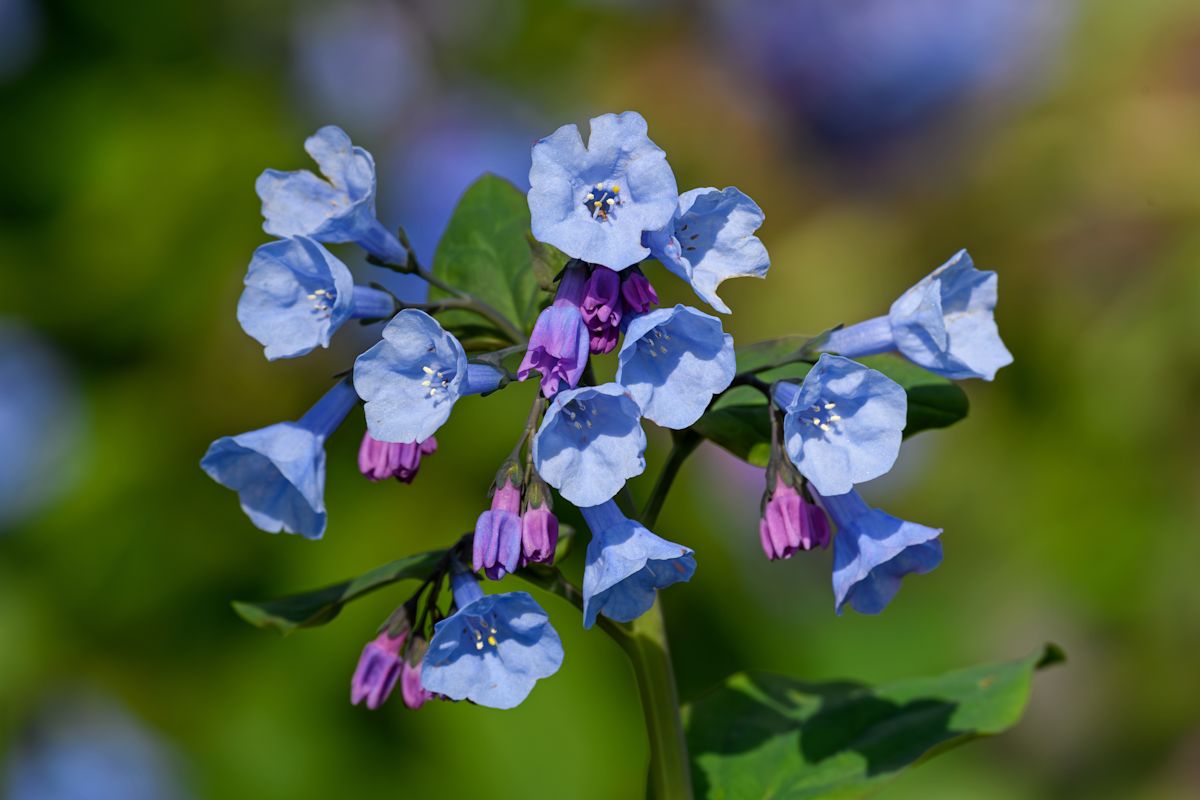
Among the most celebrated spring natives in North America is the Virginia bluebell, an Eastern United States indigenous plant recognized for its rounded, gray-green foliage and upright stems reaching up to 24 inches. The species provides a striking seasonal show as its tubular clusters transition from soft pink buds to clear blue bells before dying back into summer dormancy. Complementing this early palette is bellwort, a shade-dwelling native wildflower adapted to USDA Hardiness Zones 4 through 9. Characterized by nodding yellow blossoms with elongated petals, bellwort offers a graceful, illuminating effect in dim garden spaces.
For gardeners contending with challenging ground conditions and pests, unique bulb selections offer both visual distinction and functional value. Fritillaries, notable for their pendulous, checkered-patterned bells, perform best in cool, well-drained soils under partial shade. Often cultivated in woodland settings, these bulbs naturally deter rodents and squirrels; while gardeners occasionally treat varieties such as Fritillaria imperialis as annuals, they reliably rebloom as perennials under proper conditions. Earlier still in the seasonal cycle are snowdrops, which emerge during late winter to showcase delicate white blooms. Snowdrops succeed in partially shaded sites and tolerate clay ground, provided the soil remains uncompacted and well-draining.
Establishing varied elevations is essential in balanced landscape planning, and tall-growing specimens bring necessary vertical contrast. Foxglove excels in shaded beds across USDA Zones 4 through 10, producing towering spikes packed with bell-shaped blooms that flower from late spring into early summer. For broader structural volume, gardeners often integrate Weigela, a fast-growing deciduous shrub capable of reaching heights of six feet. Thriving in full sunlight and capable of handling clay soils, Weigela yields prolific pink to red blossoms that draw valuable pollinators into the yard.
Attracting beneficial wildlife remains a priority for modern home horticulture, and several bell-bearing perennials excel in supporting pollinating insects. Coral bells (Heuchera spp.) offer dependable performance as low-growing perennials featuring lush mounds of decorative foliage surmounted by airy spikes of tiny bell flowers. Exceptionally hardy and rarely suffering from disease, coral bells flourish in shaded woodland environments. In contrast, beardtongue—also known as Penstemon—is built for sunny, exposed areas. Growing up to four feet in height across Zones 3 through 9, beardtongue thrives in rocky, nutrient-poor soil with strong drainage, bearing showy blooms accented by a distinctive pollen-free stamen that requires weekly watering during the summer heat.
Traditional border plantings benefit substantially from the enduring charm of classic bellflower varieties, which display blossoms in saturated shades of blue, purple, and pure white. These nectar-rich perennials draw pollinators throughout the flowering season while punctuating sunny beds with cool-toned color. Meanwhile, hyacinths provide early-season vibrancy alongside celebrated fragrance. These spring-flowering bulbs adapt readily to outdoor beds with well-drained earth or can be forced indoors, unfurling dense clusters of blue, pink, or white bells to brighten interior and exterior spaces alike.
Managing garden wildlife requires strategic plant choices that deter foraging herbivores without sacrificing aesthetic quality. Golden columbine (Aquilegia chrysantha) stands out for its five-spurred, bell-shaped flowers set against dark, clover-patterned foliage. Available in singular or dual-toned varieties, columbine naturally resists deer while attracting beneficial garden visitors, making it suitable for rocky slopes, ledges, and open landscape borders. Similarly, lungwort (Pulmonaria) provides an early spring layer of shade protection. Its textured, hairy leaves act as an effective natural deterrent against browsing deer, preserving vulnerable understory beds from damage.
For reliable expansion year after year, daffodils (Narcissus) serve as dependable staples for beds and naturalized drifts. Defined by their recognizable trumpet blooms—featuring a prominent central cup framed by surrounding petals—daffodils require minimal intervention once established. Adapted to USDA Zones 3 through 8, these versatile perennials thrive in full to partial sun, steadily multiplying over time across well-drained soils to create expansive spring carpets.
Gardeners seeking rapid vertical coverage can incorporate morning glory vines, renowned for their large, trumpet-like blue flowers. Operating on a distinctive daily rhythm, the blooms unfurl each morning before gently closing by afternoon. Morning glories perform as vigorous annuals in most regions but can persist as perennials in warmer climates, provided they receive full sun exposure, consistent watering, and well-drained soil conditions to sustain their lush climbing habit.
Successful integration of bell-shaped cultivars relies heavily on matching each variety's specific moisture and soil requirements. While species such as beardtongue demand coarse, fast-draining rocky substrates, shrubs like Weigela and bulbs like snowdrops tolerate heavier clay compositions as long as water does not pool around root systems. Gardeners must therefore evaluate soil porosity and drainage prior to planting to maximize plant longevity and bloom density.
Light exposure is another crucial factor in establishing a thriving bell-blossom display. Woodland dwellers—including bellwort, coral bells, lungwort, and foxglove—flourish in filtered light or sheltered shade, which protects their foliage and preserves delicate flower petals. Conversely, sun-loving varieties such as morning glory vines, bellflowers, and beardtongue need full sun exposure to fuel continuous bud production and maintain vigorous stem growth.
Designing a multi-season succession ensures visual interest from late winter through late summer. The seasonal sequence commences with early-emerging snowdrops, followed quickly by the shifting colors of Virginia bluebells, golden columbine, lungwort, and hyacinths. As spring transitions toward summer, foxgloves, Weigela, bellflowers, and morning glories take over, sustaining a continuous rhythm of nodding, bell-shaped floral architecture.
Ultimately, incorporating bell-shaped flowers allows gardeners to merge artistic style with ecological utility. Whether used to deter deer, nourish pollinators, stabilize sloped terrain, or enhance heavily shaded microclimates, these 14 distinct selections provide a comprehensive toolkit for designing resilient, visually captivating landscapes.


(0)