
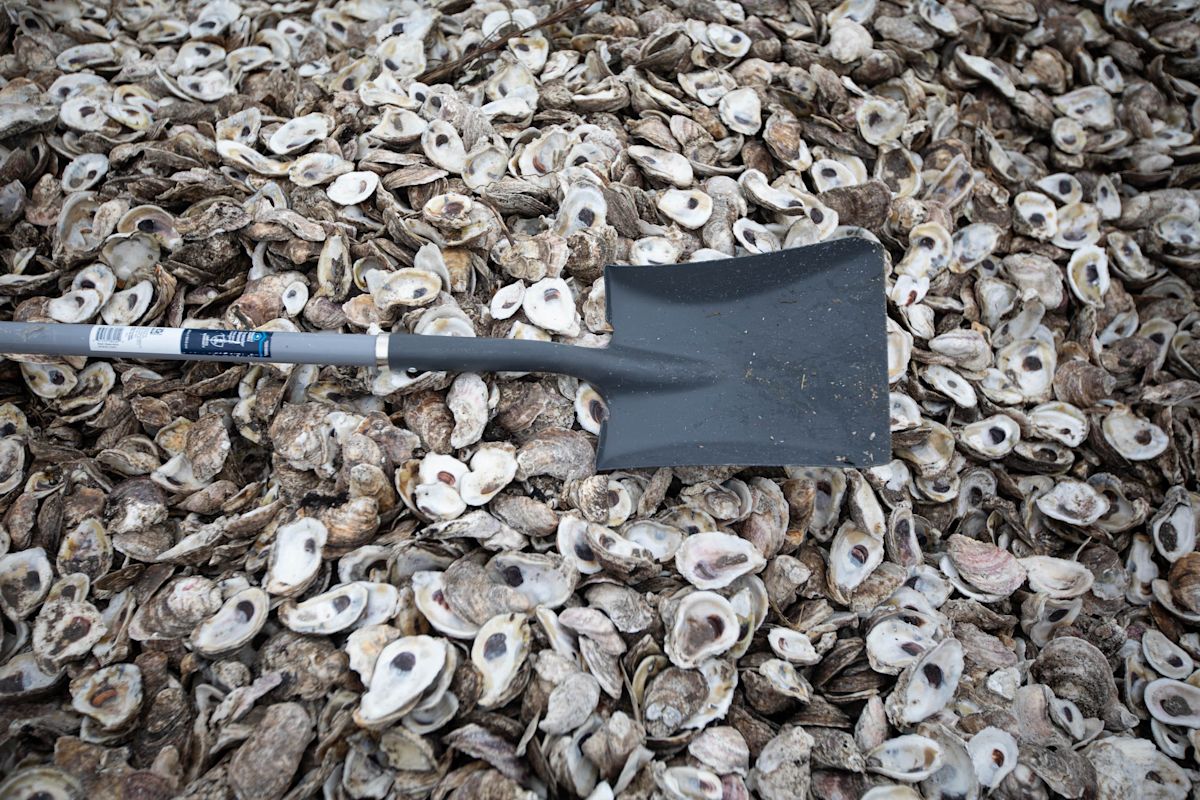
When seafood enthusiasts sit down to enjoy freshly shucked oysters served on the half shell, few give thought to what happens after the meal is finished. In typical restaurant settings, the remnants of these culinary favorites are swept away into the garbage and transported directly to local landfills. However, this routine disposal breaks an essential ecological cycle, as removing these natural calcium structures from coastal waters deprives marine habitats of the essential building blocks they require to thrive.
To address this environmental loss, a major conservation project in the Coastal Bend is expanding its geographic footprint inland. Discarded oyster shells generated by diners at several prominent San Antonio eateries are now being intercepted and redirected back to Texas bays. This coordinated recycling pipeline aims to rebuild degraded oyster reefs by returning precious natural materials to the marine environments where they originated.
The initiative is operated through the Sink Your Shucks Oyster Shell Recycling Program, an environmental effort based at Texas A&M University-Corpus Christi within the Harte Research Institute. To broaden its regional reach beyond coastal communities, the organization has formed a collaborative alliance with the South Texas Coastal Initiative. This new partnership enables inland food establishments to actively contribute to the ongoing rehabilitation of vital coastal estuaries.
Returning these harvested shells to the water is crucial because of the unique biological development of young oysters. In their early larval stage, these organisms are completely shell-less and spend approximately three weeks freely drifting through the marine water column. To survive and mature, the swimming larvae must locate a stable, solid structure to anchor upon—with the hard surfaces of existing oyster shells serving as their most favorable substrate for building their own shells.
Beyond aiding the growth of new oyster generations, established reefs provide multifaceted environmental benefits for the wider coastal ecosystem. These complex underwater formations serve as critical habitats and protective nurseries for numerous species of fish and shellfish. Furthermore, thriving oyster colonies act as natural filtration systems that clean surrounding waters while simultaneously creating natural breakwaters that defend vulnerable shorelines against severe wave erosion.
The geographic expansion to San Antonio demonstrates that distance from the shoreline does not prevent urban centers from directly contributing to marine conservation. Stephanie Tierce, the program coordinator for Sink Your Shucks, pointed out in a news release that individuals do not need to reside along the coast to create a meaningful ecological footprint. She highlighted that an oyster meal ordered in an inland metropolitan restaurant can ultimately supply the foundational habitat needed to sustain future populations in Texas waterways, completing a full bay-to-table and back-to-bay lifecycle.
The program's San Antonio collection network is already actively operating across several well-known dining destinations. Initial participants include Southerleigh Fine Food & Brewery, Brasserie Mon Chou Chou, and Pullman Market, all situated within the historic Pearl District. Little Em's Oyster Bar, located in the historic King William district, is also actively contributing its discarded shells to the recycling pipeline.
To handle the logistics of shell gathering, the initiative relies on a local partner, Mission Compost. Through these coordinated collection efforts across participating establishments, the hauling service has already diverted and secured more than 5,000 pounds of oyster shells that would have otherwise ended up buried in municipal waste facilities.
Participating culinary leaders have emphasized the ecological value of integrating sustainability directly into their daily kitchen operations. Aaron Juvera, chef de cuisine at Southerleigh Fine Food & Brewery, noted that working alongside Sink Your Shucks and the South Texas Coastal Initiative allows the restaurant to fulfill a closed-loop journey for every single oyster prepared and served to patrons.
Juvera noted that knowing discarded shells are transported back to the Texas coastline to regenerate vital reefs and protect waterways demonstrates a tangible dedication to long-term sustainability. He explained that the overarching objective is to provide comprehensive support to Texas oyster farms, educate staff and customers about the characteristics and variety of local oysters, and guarantee that the restaurant's discarded shells actively support the rebuilding of a regenerative ecosystem.
This inland expansion represents the latest milestone for the Sink Your Shucks program, which has spent years gathering discarded shells from dining venues in the Corpus Christi area. Through decades of work supported by community volunteers of all generations, the project has successfully returned millions of pounds of recycled shell material into the Mission-Aransas Estuary, including waters in Copano Bay, Aransas Bay, and St. Charles Bay.
Restoration efforts have continually expanded into new areas across the region. In addition to long-term restoration work conducted in St. Charles Bay near Goose Island State Park, program volunteers recently established a new reef habitat just off Mustang Island in the Upper Laguna Madre this past June.
The effort relies heavily on an extensive roster of participating seafood venues across the coastal region. Alongside the newly added San Antonio locations, the initiative works with numerous partner establishments, including Black Diamond Oyster Bar, Castaway's Seafood, Copano's Restaurant, Dai Due, Doc's Seafood and Steaks, Dokyo Dauntaun, and Dorado's Restaurant.
Other participating culinary businesses that regularly divert shells from landfills include Fulton Irish Pub, Hometown Seafood, KC's Oyster Shack, Latitude 28°02' Restaurant, Saltwater Grill, The Boiling Pot, Virginia's on the Bay, and Water Street Oyster Bar.
Program organizers are actively seeking to expand the recycling network even further and encourage additional San Antonio dining venues to join the conservation campaign. Representatives from interested restaurants are invited to request additional information by emailing Eric@Ejdcomp.com to establish shell pickup services.
Hands-on community engagement remains central to the success of these coastal rehabilitation projects, with student groups and local residents regularly assisting scientists in moving recycled shells into coastal waters. The next public volunteer reef restoration gathering organized by Sink Your Shucks is scheduled to take place on October 3 at Goose Island State Park.


(0)