
A major environmental initiative is underway in the Mojave Desert as researchers prepare to evaluate animal migration patterns across a heavily trafficked Southern California transit corridor. The Wildlands Network has announced a specialized wildlife research project focused on tracking animal movements along State Route 62, a vital thoroughfare connecting Yucca Valley and Palm Springs. The comprehensive study is designed to gather crucial biological data ahead of the construction of two major wildlife overpasses planned east of the Victor Valley.
The upcoming scientific assessments will use non-invasive surveying methodologies to map the presence and travel routes of key regional wildlife species, notably mountain lions, desert bighorn sheep, and bobcats. By examining how these animals navigate the arid terrain adjacent to the highway, conservationists hope to measure the overall benefits of the proposed crossing structures and identify actionable ways to enhance landscape safety for native fauna.
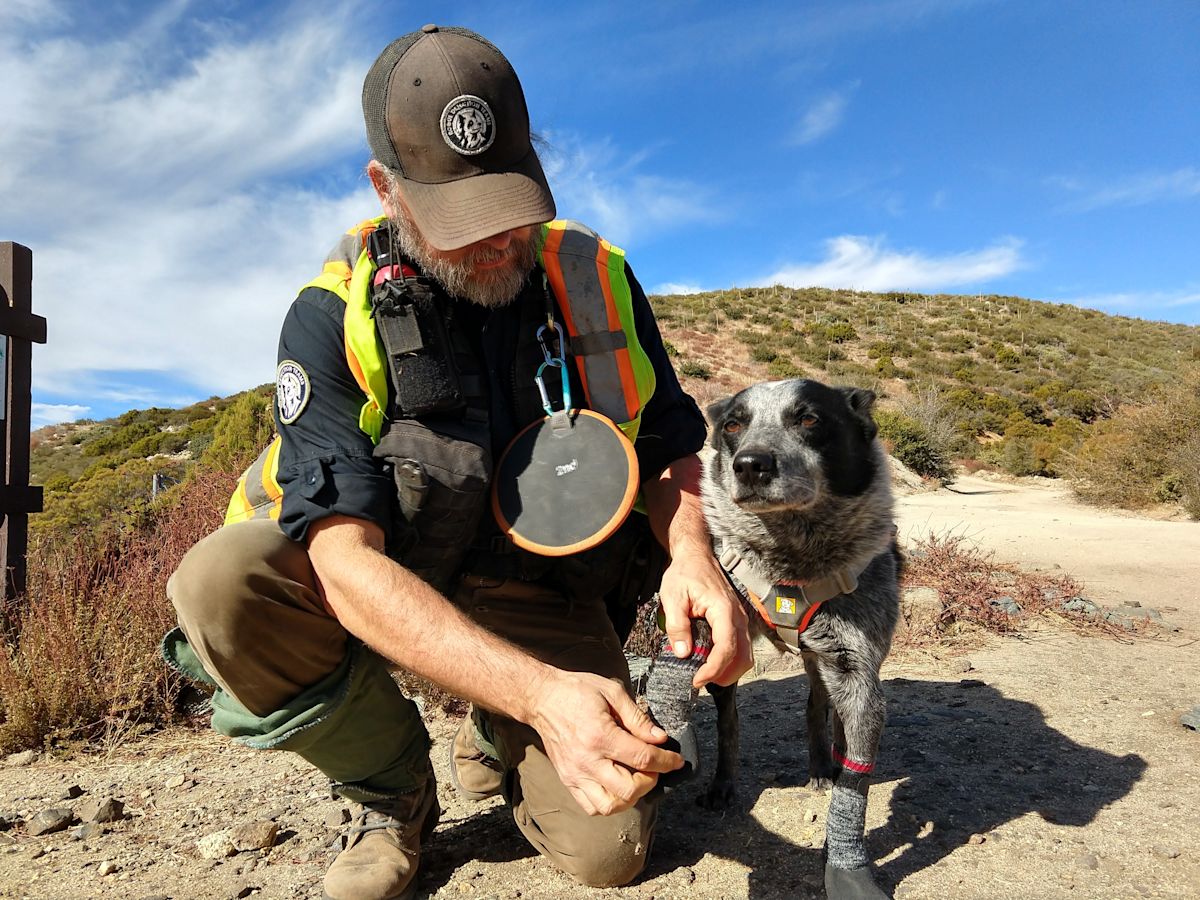
Central to the research effort is the deployment of specialized detection units consisting of highly trained rescue dogs alongside experienced field biologists. These canine-assisted teams will search the desert terrain for mountain lion and bobcat scat, or fecal droppings. The pairing of a dog's keen sense of smell with a biologist’s deep understanding of wildlife tracking and environmental indicators allows for thorough, non-disruptive monitoring across wide expanses of desert habitat.
Concurrently, desert bighorn sheep will be monitored by a dedicated team of researchers who possess extensive expertise in analyzing bighorn habitat utilization, migration corridors, and genetic diversity in the Mojave Desert region. This specialized field crew will focus on locating bighorn scat deposits to assess how sheep herds are interacting with the landscape near the highway corridor.
Once recovered from the field, all collected scat samples will be transferred to specialized genetics laboratories. Technicians will extract DNA from the biological specimens to accurately identify individual animals and map their movements. This genetic screening will generate crucial empirical baseline data, helping scientists understand current levels of genetic exchange and determine the extent to which the roadway acts as an impassable barrier to local breeding populations.
Field operations are scheduled to take place across two separate phases in the coming weeks. The specialized bighorn sheep tracking teams will conduct their initial surveys on September 25, operating between 9:00 a.m. and noon. The canine detection teams, partnering with Rogue Detection Teams, will follow with their scent-assisted field assessments on October 6, also running from 9:00 a.m. until noon.
The scientific project comes in direct response to longstanding safety concerns raised by wildlife agencies, conservation groups, and independent researchers. Roadway mortalities and ecological fragmentation have made the installation of dedicated crossing infrastructure an urgent priority for both human commuters and local wildlife, including mule deer, bighorn sheep, bobcats, and mountain lions.
Over the course of the last decade, vehicle traffic along State Route 62 has expanded dramatically. Land trust officials attribute this surge in traffic volume to rapid residential growth throughout the Morongo Basin, combined with a threefold increase in tourist visitation to nearby Joshua Tree National Park. As vehicular flow intensified, the highway increasingly cut off critical movement paths for local fauna.
The elevated traffic levels have proven hazardous to regional wildlife, resulting in severe mortality rates along the corridor. The two planned crossing locations were specifically chosen at critical high-risk segments on the Morongo and Yucca grades of State Route 62, where researchers recorded numerous animal fatalities within a single year, including deaths of mountain lions, black bears, deer, and bighorn sheep.
Environmental scientists emphasize that maintaining open travel corridors across State Route 62 is essential for maintaining long-term genetic health among desert species. Physical barriers created by high-speed roadways isolate populations into fragmented patches, which drastically increases the probability of dangerous inbreeding, reduced genetic fitness, and heightened vulnerability to disease outbreaks.
To address these environmental hazards, the planned overpasses have been engineered with specific ecological features intended to encourage wildlife use. Each crossing structure will be constructed with an earthen foundation and blanketed with native vegetation identical to the flora found in the surrounding natural landscape, helping animals feel comfortable entering the structure.
In addition to the natural landscaping, planners will install directional wildlife fencing along both sides of State Route 62 to steer migrating animals away from active traffic lanes and toward the overpass entrances. The engineering plans also incorporate specialized structural measures designed to minimize the intrusive impact of vehicle noise and headlight glare, further encouraging skittish species to cross safely.
The ongoing field research is intended to create a definitive pre-construction baseline, enabling conservationists to monitor shifts in animal behavior before ground is broken. Once the overpasses are completed, researchers will be able to perform follow-up surveys to directly evaluate the structures' real-world effectiveness in restoring natural migration corridors and reducing roadway collisions.
This long-term research and monitoring endeavor is supported by vital public funding partnerships. Grant support has been secured from both the Wildlife Conservation Board and the Coachella Valley Mountains Conservancy, providing the financial resources necessary to guide the planning, research, and eventual execution of the State Route 62 wildlife overpasses.


(0)