
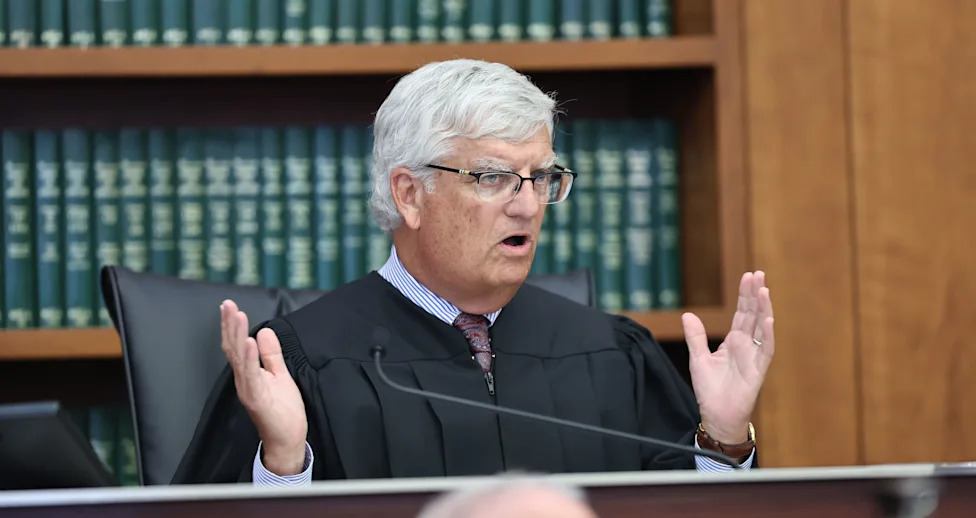
In a ruling underscoring the growing security challenges surrounding modern high-profile criminal proceedings, a Massachusetts judge has ordered that the identities of jurors who served in the Lindsay Clancy murder trial remain sealed indefinitely. Plymouth Superior Court Judge William Sullivan determined that persistent public hostility, widespread internet commentary, and tangible security incidents created an ongoing danger that justified keeping the panel members anonymous.
The formal order, issued on September 14, indefinitely extends an impoundment that prevents the public disclosure of records identifying both deliberating and alternate jurors. Judge Sullivan explained that the emotionally charged trial had generated intense, polarizing scrutiny across Massachusetts and nationwide, requiring extraordinary measures to safeguard the citizens who served on the panel.
The protective decree follows the sudden conclusion of Clancy's trial, which ended in a mistrial after the jury reported being hopelessly deadlocked. Despite extended deliberations, the panel was unable to reach a unanimous verdict on the charges against the Duxbury mother, prompting the court to bring the proceedings to a close without a definitive resolution.
Under standard Massachusetts judicial practices, the names and official records of jurors are routinely made public following the delivery of a verdict or the conclusion of a case. However, state law allows trial judges to restrict access to those records when specific, compelling circumstances demonstrate good cause to shield the information from the public domain.
In his written decision, Judge Sullivan acknowledged the standard presumption favoring public transparency but found that the extraordinary environment surrounding the Clancy trial demanded an exception. He noted that the entirety of the trial had been livestreamed to a broad audience, fostering an atmosphere of continuous, daily debate across social media networks and news platforms that has persisted long after court adjourned.
The court noted that concerns over juror welfare were not merely theoretical, pointing to concrete physical disruptions that took place around the courthouse. Most notably, law enforcement authorities arrested an individual during the trial who was accused of secretly videotaping members of the jury as they departed the Plymouth courthouse facility.
The impoundment order also highlighted instances where personal, confidential details regarding jurors had been discovered and shared across digital channels without authorization. These unauthorized releases and doxing threats heightened fears that jurors might face direct harassment, intimidation, or retaliation from members of the public reacting to the trial's outcome.
Evaluating the climate following the mistrial, Sullivan found that the risks confronting the jurors remained active and dangerous. The judge concluded that unsealing the jury roster at this stage would pose a "real and present" threat of harm, warning that releasing the identities could cause "immediate and irreparable injury" to the jurors while undermining the broader integrity of the jury system.
The decision to indefinitely maintain the protective seal was also reinforced by the jurors themselves. The court order revealed that at least one member of the panel formally petitioned the judge to extend the impoundment indefinitely, reflecting deep personal apprehension regarding potential public exposure and harassment.
While the ruling strictly forbids the court from releasing the juror list to the press or the general public, it does not restrict the panel members from speaking out independently. The order makes clear that individual jurors retain the personal freedom to come forward, disclose their participation, or discuss their experiences during deliberations if they choose to do so voluntarily.
In the days following the declaration of a mistrial, a small number of jurors chose to speak publicly about the deliberations and the pressures they encountered during the case. Nevertheless, the court emphasized that the vast majority of both deliberating jurors and alternates have declined media interview requests, opting instead to maintain strict privacy.
The underlying criminal case centers on the January 2023 deaths of Clancy's three young children at the family's residence in Duxbury, Massachusetts. The high-profile prosecution attracted widespread attention and sparked fierce debate over severe mental health struggles, legal culpability, and the standard of criminal responsibility under the law.
Legal proceedings in the Clancy case will move forward in the coming weeks. The defendant is scheduled to return to court later this month as the prosecution and defense attorneys continue to litigate subsequent steps, including defense motions for acquittal and decisions regarding a potential retrial.
Judge Sullivan's decision highlights the delicate balance modern courts must strike between public transparency and juror protection in the era of digital broadcasting and instant online scrutiny. By keeping the juror identities sealed indefinitely, the court made clear that the safety and privacy of everyday citizens fulfilling their civic duties must be safeguarded against external harassment.





(0)