
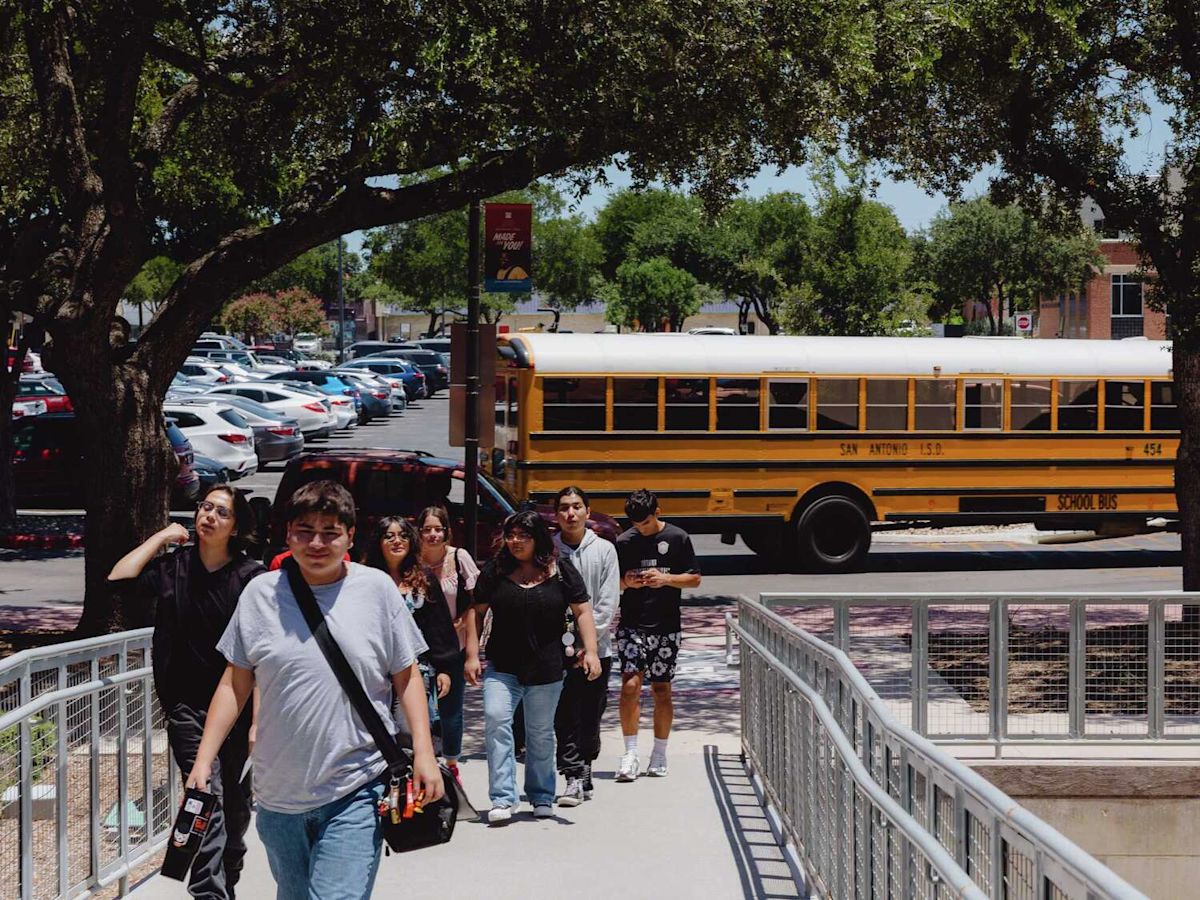
Transportation departments across the greater San Antonio area continue to battle persistent school bus driver shortages, even as one local school system manages a notable post-pandemic rebound. While districts nationwide find it difficult to recruit and retain enough qualified operators to transport students each morning and afternoon, the situation within Bexar County highlights stark contrasts in local operational stability and fiscal resources.
Standing apart from regional peers, North East Independent School District has achieved its strongest transportation staffing figures since prior to the onset of the COVID-19 pandemic. According to Bill Harrison, the district's executive director of transportation, the arrival of the 2020 health crisis marked the start of a protracted national workforce crunch. Today, North East ISD operates more than 200 designated bus routes and is actively seeking just 12 additional drivers to reach complete staffing capacity.
In contrast, driver retention issues remain a disruptive reality for three of the region's other four largest educational systems: Northside, San Antonio, and Judson independent school districts. These neighboring districts are grappling with significant open positions that strain daily operations, force administrative personnel behind the wheel, and extend route times for students.
San Antonio Independent School District is presently working to fill 16 open driver positions across an operational network of approximately 125 total bus routes. The openings create daily logistical hurdles for transit planners who must ensure that all enrolled students arrive at their respective campuses on time.
At Judson Independent School District, officials report needing 10 additional drivers to achieve a fully staffed roster. During an August 27 special school board meeting, Judson ISD Director of Transportation Earl Stewart reported that the department managed 84 total bus routes and was operating with five fewer drivers than needed on active routes.
Stewart clarified that maintaining a fully staffed roster requires a dedicated pool of substitute drivers capable of stepping in when primary drivers utilize leave. The standard daily schedule for Judson ISD drivers involves a three-tier cycle, carrying students to their zoned elementary, middle, and high schools across staggered bell schedules.
During the late-August board meeting, Judson ISD Trustee Stephanie Jones raised concerns regarding community perceptions of severe staffing deficits, asking leadership to clarify the exact workforce numbers. Stewart explained that while difficulties arise when unannounced absences occur, the district is not drastically understaffed on ordinary days, adding that his team is focused on minimizing overcrowded buses and improving punctuality now that campus enrollments have stabilized.
Meanwhile, Northside Independent School District faces some of the steepest workforce deficits in the area. Tesilia Soliz, the district's director of transportation, indicated that Northside is confronting the same severe hiring barriers seen across the country. To reach full operational capacity, Northside currently requires 35 standard school bus drivers along with 40 bus assistants.
In addition to traditional bus operators, Northside ISD is seeking 15 minibus drivers. Unlike standard school buses, minibuses do not require operators to hold a commercial driver's license, representing a lower barrier to entry for prospective employees that the district hopes will attract additional applicants.
Recruitment efforts across Texas public schools are further complicated by mounting budget shortfalls, which severely limit the ability of school boards to offer competitive pay increases. Confronting a substantial $38 million budget deficit, Northside ISD leadership implemented a salary freeze for transportation staff rather than providing the customary 2% to 3% annual pay bump.
The wage freeze has intensified pre-existing hiring and retention obstacles at Northside ISD, compelling transportation administrators to consolidate bus routes to maintain daily service. Soliz detailed that the district has had to combine multiple routes that previously carried 30 students each, filling 50- to 70-passenger buses to their absolute maximum limit.
This consolidation strategy has effectively doubled the physical length of certain routes, resulting in significantly longer transit times for children commuting to and from campus. Soliz acknowledged that extended bus rides are undesirable for families, but noted that the department is maximizing the limited resources currently available.
District leaders are looking toward an upcoming ballot measure to potentially alleviate some of these financial constraints. Should Northside ISD voters approve a proposed tax rate increase on November 3, Soliz expressed optimism that the district would direct a portion of the generated revenue toward restoring pay raises for transportation personnel.
Compounding the problem is the state's public education transportation funding formula. The State of Texas provides districts with approximately $1 per bus mile traveled, but restricts that funding strictly to students who reside more than two miles from their assigned campuses. This state allocation is expected to cover a wide array of operational expenses, including fuel costs, vehicle fleet maintenance, and driver compensation and benefits.
A fundamental hurdle for public school districts remains the rigorous commercial driver's license (CDL) requirement. While the four largest San Antonio school districts offer paid training programs to compensate new recruits while they earn their credentials, districts struggle to compete with private freight and logistics companies once drivers are licensed. Data from the U.S. Bureau of Labor Statistics shows that commercial tractor-trailer drivers earn an average annual wage of $58,640, compared to $49,390 for school bus drivers, leaving local districts vulnerable to continuous driver turnover.





(0)