
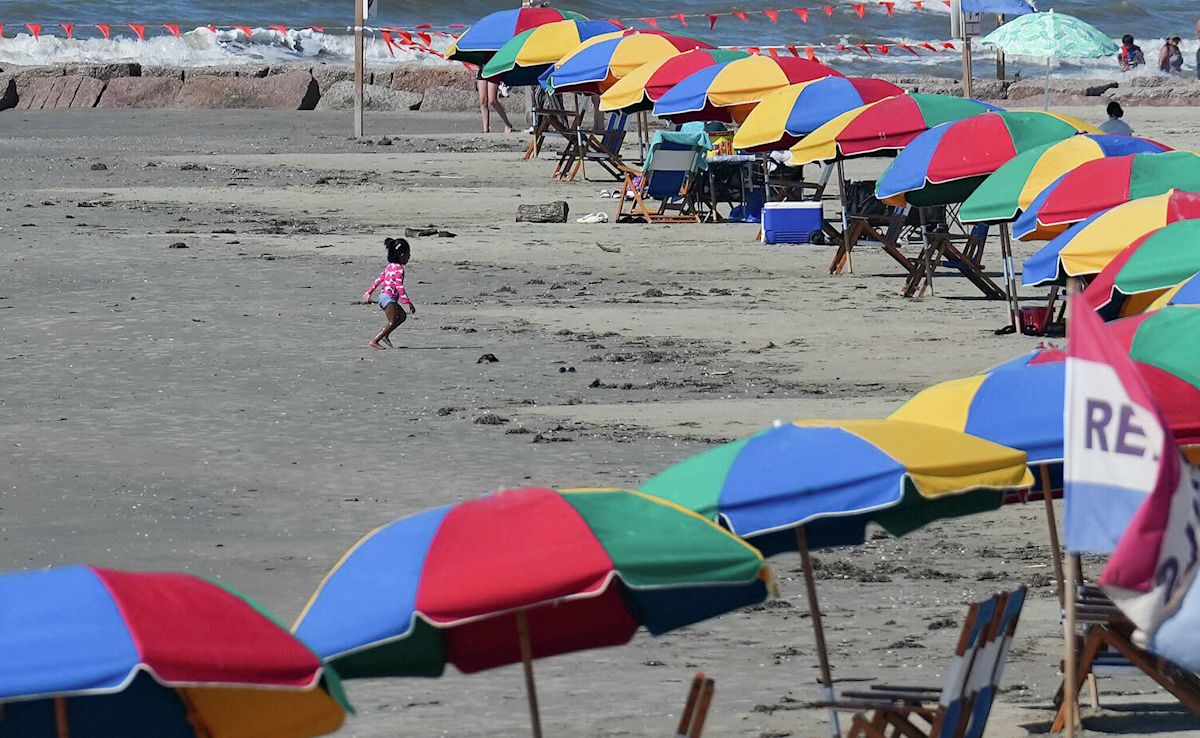
Coastal authorities and environmental scientists have raised an official alert for beachgoers along sections of the Texas coastline following the emergence of a harmful red tide. Visitors heading to coastal destinations, particularly around Galveston and neighboring barrier island beaches, are being urged to remain vigilant regarding potential respiratory issues caused by an increased presence of toxic microscopic algae.
The warning was formally issued by the National Centers for Coastal Ocean Science after researchers conducted extensive field sampling across the waters of the Gulf of Mexico between September 7 and September 11. During this monitoring window, scientific tests verified elevated concentrations of *Karenia brevis*, a harmful algae species known for producing hazardous environmental conditions.
According to official tracking assessments, the respiratory threat is currently concentrated in several heavily visited beachfront areas. High-risk respiratory irritation warnings have been pinpointed directly along Seawall Boulevard within the heart of Galveston, as well as throughout the Bolivar Peninsula, with acute concerns identified at Crystal Beach.
Surveillance data published in the Gulf Coast Red Tide Respiratory Forecast indicates that other portions of Crystal Beach are also encountering moderate-to-high risk levels. The federal scientific agency projected that these elevated moderate-to-high risk conditions would persist along the impacted Texas coastal stretches through at least Tuesday.
Scientifically classified as a harmful algal bloom, red tide occurs when *Karenia brevis* populations multiply rapidly into dense aquatic concentrations. These expansive blooms often impart a reddish or brownish tint to the surrounding ocean water, giving the natural phenomenon its widely recognized common name.
As *Karenia brevis* proliferates, the organism synthesizes a potent biological toxin capable of inflicting severe damage on marine life. The Texas Parks and Wildlife Department explains that these chemical compounds act directly to paralyze fish, frequently resulting in widespread mortality events across impacted marine habitats.
Evidence of this toxic exposure has already begun manifesting along the local shoreline, with multiple reports documenting dead fish washing onto Texas beaches over the course of several consecutive days. The accumulating fish carcasses provide visible proof of the bloom's lethal impact beneath the water's surface.
Beyond its destructive effects on marine ecosystems, the phenomenon presents distinct health hazards to humans visiting the coast. When sustained, stiff winds blow toward the shore, the surface agitation helps transport these aerosolized algal toxins directly onto the beaches, where coastal visitors can inhale them.
Inhaling these airborne toxins typically triggers acute respiratory discomfort in humans, which can manifest as irritation of the throat and nasal passages. Individuals spending time outdoors near the surf zone are particularly susceptible to these respiratory problems when onshore winds actively carry the mist inland.
The recent detection represents a significant milestone for regional environmental managers, marking the first red tide alert to be declared along the Texas coastline in three years. Coastal communities and beachgoers had experienced a multi-year reprieve from the toxic algal phenomenon prior to the latest surge in water samples.
When the algae last triggered an alert along the Texas coast three years ago, the environmental disturbance was primarily concentrated within the Galveston Bay region. During that preceding episode, the presence of *Karenia brevis* remained detected across the local bay waters for approximately a month before eventually dissipating.
In response to the current outbreak, the Texas Parks and Wildlife Department has issued detailed public safety recommendations regarding seafood harvesting and consumer protection. State wildlife officials are actively cautioning residents and tourists about the hazards of harvesting shellfish during an active bloom.
Because filter-feeding mollusks absorb and retain algal toxins within their tissues, recreational harvesters are strongly advised not to collect or consume wild oysters or other shellfish taken directly from the water. Individuals wishing to enjoy shellfish during this period are encouraged instead to order their food from commercial restaurants.
Fortunately, the toxins produced by *Karenia brevis* do not typically impact the fleshy muscular tissue of finfish, crabs, or shrimp. As a result, recreational anglers may still safely catch and consume these particular species, provided that the marine animals are captured alive and show no outward signs of impairment.
Despite the permission to consume live catches, wildlife authorities emphasize that under no circumstances should people harvest or eat fish that are already dead when discovered. Furthermore, the agency advises the public to strictly avoid eating any fish that appears visibly sick or distressed when caught.
As the National Centers for Coastal Ocean Science and state environmental monitors continue tracking the *Karenia brevis* bloom, beachgoers and coastal residents are encouraged to stay informed of updated forecasts and take necessary precautions when visiting areas facing high respiratory risks.







(0)