
Óscar García navigated his pickup truck through a fortified checkpoint at the entrance to his hometown, slowing to acknowledge the masked men standing guard. Carrying semi-automatic rifles and dressed in tactical gear, the local guards recognized the 18-year-old and waved him along the road. Beside him sat his 74-year-old grandfather, Francisco, wearing a straw cowboy hat and watching the armed perimeter with a somber expression.
For Francisco, the heavily guarded barricades were a jarring reminder of how drastically the region had shifted during his lifetime. The elder recalled a time when the surrounding mountainous landscape was defined by quiet poverty rather than gunfire. Looking across the hillsides, Francisco noted that the lucrative rise of the avocado trade brought immense financial fortune to western Mexico, but that extraordinary wealth arrived accompanied by persistent terror.
The dark side of this agricultural boom struck the García family directly. As Óscar steered the vehicle off the main highway onto an unpaved road cut through dense orchards, the landscape appeared serene, yet danger remained embedded in the groves. Halting the truck along a rutted path, the young farmer pointed to the exact location where relatives had previously recovered his father’s abandoned vehicle following his sudden abduction.
The backdrop to this family crisis is San Ángel Zurumucapio, an indigenous P'urhépecha hamlet of roughly 6,000 residents. The community is remarkably tight-knit, bound by extensive family ties where neighbors are frequently distant relatives. Traditionally, the local social life centered on community gatherings and the large rodeos hosted every few months, far removed from the international commerce that would later reshape the area.
Decades earlier, the terrain was dominated by virgin forests rather than commercial orchards. Francisco spent his youth traveling through the pine woods on horseback, earning a meager living by tapping resin from the tall trees. With few economic opportunities available locally, reaching financial stability required leaving home. Francisco migrated temporarily to Texas, using his earnings to build a house large enough to shelter his 12 children.
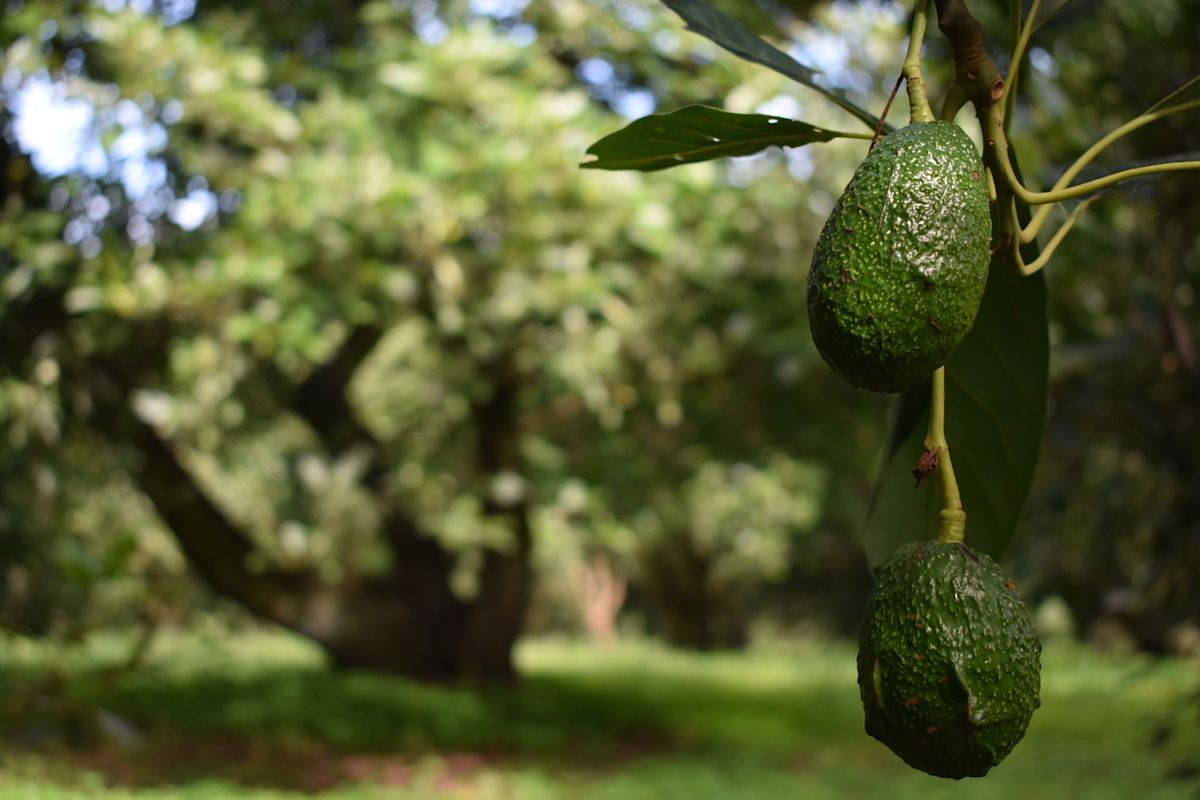
Following his father's example, Francisco’s oldest son, Pancho, also sought work in the United States as a teenager. Pancho spent six years working on a Christmas tree farm in North Carolina before returning to San Ángel Zurumucapio to establish a life with his wife, Terésa Pérez. Upon his return, Pancho cleared a section of woodland to cultivate avocado trees, anticipating a shifting agricultural market.
The turning point for the local economy arrived in 1997, when provisions linked to the North American Free Trade Agreement led the United States to lift its longstanding ban on Mexican avocado imports. The sudden access to the American market sparked an unprecedented surge in demand, rapidly transforming the state of Michoacán into the global capital of avocado production.
This trade expansion created rapid upward mobility for families across the region. Farmers like Pancho and Terésa were suddenly able to transition from hardship into a stable middle-class lifestyle, purchasing new vehicles, taking coastal vacations, and building modern homes. Their income allowed them to provide quality clothing and formal education for their three children, Ana, Óscar, and José, inspiring neighboring landowners to convert their own fields into avocado groves.
However, the widespread transformation of the land soon caused severe environmental repercussions. The clearing of vast forest tracts to plant hundreds of thousands of acres of avocado trees altered the regional climate. Deforestation contributed to rising temperatures and a noticeable reduction in rainfall, adding ecological strain to the area's rapid economic growth.
The tremendous cash flow generated by the crop also attracted violent opportunists. By the mid-2000s, criminal syndicates in Michoacán that historically focused on trafficking cocaine, heroin, and methamphetamine began expanding their operations into the avocado industry. Gangs forcibly took over established farms, cut down native timber to plant unauthorized orchards, and imposed steep protection fees on local growers through intimidation.
In San Ángel Zurumucapio, the criminal presence became an everyday reality. Armed men traveled through the streets in ostentatious trucks, openly consuming marijuana and playing loud banda music. The resulting turf conflicts brought violence directly to civilian spaces, exposing residents to frequent danger.
Growing up amid this turmoil, Óscar learned to navigate constant peril. He witnessed armed clashes in the vicinity of his school and once had to take cover during a shootout near a roadside altar honoring the Virgin Mary that his grandfather had helped construct. Meanwhile, kidnappings for ransom grew common, targeting local farmers and creating widespread apprehension.
Despite the escalating threat, Pancho maintained a quiet, routine life focused on his family and his orchards. He regularly brought Óscar to the family’s outlying plots, training him in proper fertilization schedules and teaching him how to recognize destructive tree fungi. Convinced that his peaceful conduct protected him, Pancho refused to carry firearms for personal defense, even as neighbors and relatives began arming themselves.
The unchecked violence eventually drove the community of San Ángel Zurumucapio to organize its own defense. Resentful of persistent extortion and a lack of official protection, residents embraced an indigenous model of self-governance. The town established barricades and deployed a civilian self-defense militia equipped with firearms to secure entry points and patrol the orchards.
Even with these community-led security measures in place, the region continues to suffer from the lingering effects of lawlessness. The disappearance of Pancho has left his family burdened with grief and fear, placing the responsibility of managing the family orchards on young Óscar while underscoring the ongoing hazards facing Michoacán's avocado producers.


(0)